First Aid
Build practical first aid skills for home, travel, and community response
Tri Star Defense helps families and communities strengthen medical readiness with clear, confidence-building education focused on assessment, response, supplies, and follow-through.
Training Focus
What first aid education covers
This page highlights the practical skills and planning habits that support safer, calmer response before professional help arrives. Most of life’s medical issues are solved with first aid. Burn care, wound care, orthopedic injuries, CPR, eye and dental injuries.
Scene assessment
Learn how to slow down, identify hazards, protect yourself, and decide what immediate actions are most appropriate.
Core response skills
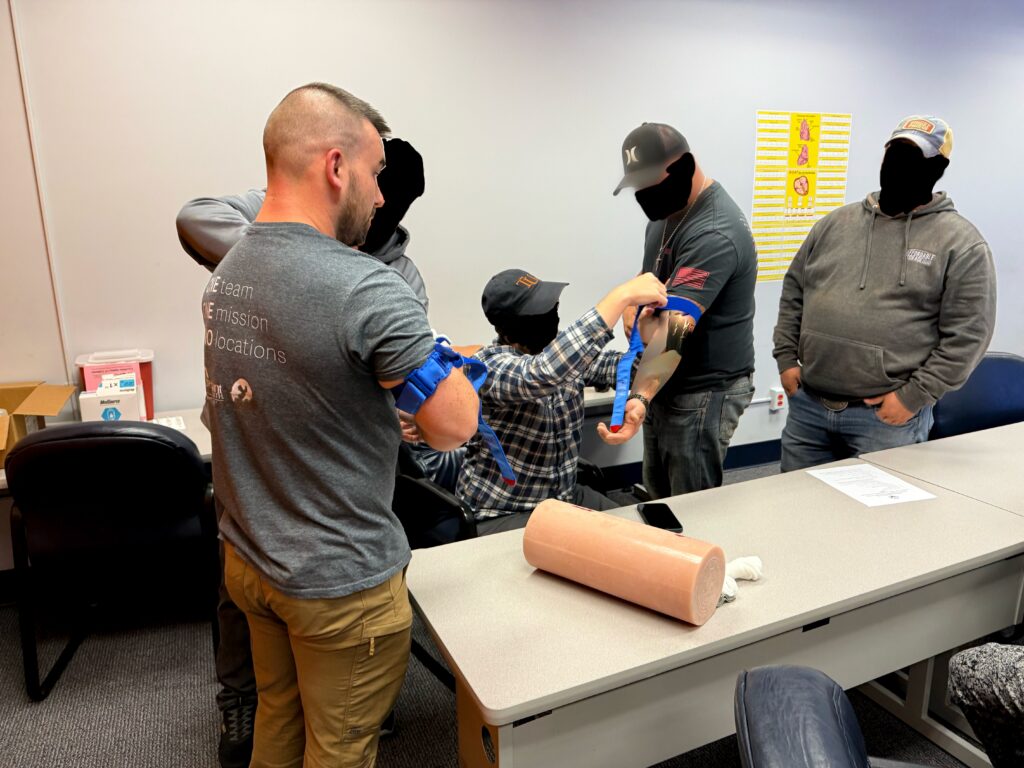
Understand bleeding control, basic wound care, recovery positioning, and when to escalate to emergency services.
Medical readiness planning
Build a useful first aid kit, organize medications, and create simple response plans for home, vehicles, and events.
Why it matters
Preparedness is stronger when skills are practiced
Common questions
A few practical answers for families and community members building first aid readiness.
Who is this page for?
It is designed for households, caregivers, volunteers, and community members who want practical first aid knowledge without fear-based messaging.
Does first aid replace emergency care?
No. First aid supports immediate response and stabilization, but serious situations still require professional medical help and emergency services.
What should go in a basic kit?
A useful kit often includes bandages, gauze, gloves, antiseptic supplies, medications appropriate to the household, and clearly labeled emergency contacts.
How often should supplies be checked?
Review kits regularly to replace expired items, restock used materials, and update medications or household-specific needs.
Why connect first aid with planning?
Skills work best when paired with communication plans, accessible supplies, and clear roles for family or group response.
Where can I continue learning?
Use Tri Star Defense resources and preparedness guides to build stronger habits around medical readiness, communication, and recovery planning.